Of all air conditioner components, refrigerant is arguably the most critical. This special compound is responsible for heat absorption as it evaporates and condenses in your AC system.
Over years of operation, refrigerant levels inevitably drop due to small leaks. Low refrigerant cripples cooling capabilities and strains the compressor. That’s why it’s important to recharge refrigerant before levels get too low.
This AC troubleshooting guide from Fix4U Repairs will cover identifying low refrigerant and best practices for recharging your AC system.
How Does AC Refrigerant Work?
Understanding the refrigeration cycle helps diagnose issues:
- Refrigerant starts as a low-pressure liquid that absorbs and removes heat as it evaporates into a gas in the coils.
- The compressor pressurizes the refrigerant gas which is pushed into the condenser coils outside.
- In the condenser, the gas condenses back into a liquid state as heat releases outside.
- The liquid refrigerant loops back to the evaporator to repeat the heat absorption process.
With inadequate refrigerant, this cycle can’t properly remove heat from your home.
Signs Your AC is Low on Refrigerant
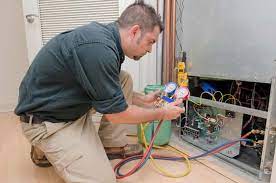
Look for these indicators that refrigerant may be low:
- Higher energy bills from AC running longer
- Reduced cooling and inability to keep home cool
- Short AC cycling as refrigerant evaporates faster than it condenses
- Frosted or frozen evaporator coils
- Blowing warm air on hot days despite running
- Soft suction lines indicating low system pressure
- Excess moisture dripping from vents
- Bubbling sight glass indicating low refrigerant volume
What Causes Low AC Refrigerant Levels?
Typical factors behind low refrigerant include:
- Small Leaks: Slow leaks over years of operation from loose fittings, seals, and development of pinhole leaks in coils.
- Installation Errors: Improper installation can lead to leaks at joints and connections.
- Component Failure: Problems with parts like valves and condenser coils can cause refrigerant loss.
- Infrequent Maintenance: Lack of monitoring and periodic topping off enables levels to get too low before repairs.
- Record Keeping: Incomplete refrigerant charging records hide accumulating refrigerant loss between services.
- Corrosion: Water and air contamination creates acidic conditions corroding copper pipes and joints.
How Low AC Refrigerant Is Recharged
Recharging low refrigerant requires an HVAC pro to:
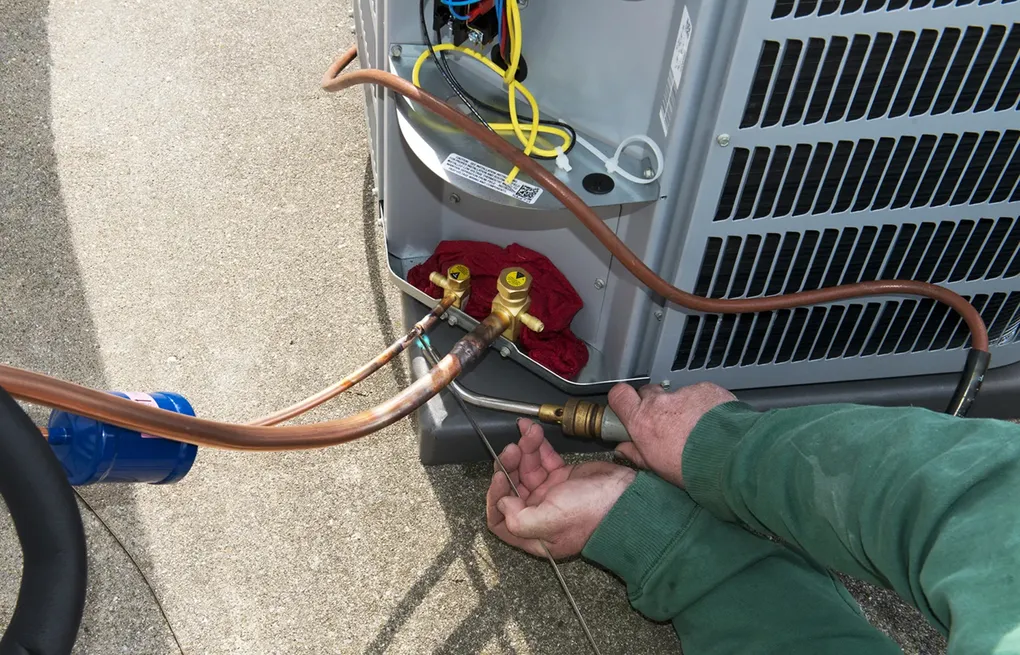
- Connect gauges to diagnose pressure issues indicating low refrigerant levels.
- Perform thorough leak testing to identify any punctures or faulty joints allowing leakage.
- Evacuate empty refrigerant lines using a vacuum pump.
- Calculate the total system refrigerant capacity based on line size and length.
- Weigh in fresh refrigerant to match system design specifications.
- Monitor pressures and temperatures to verify normal operation.
- Provide before and after report with refrigerant amounts for your records.
Suspecting your AC is running low? Call Now To Fix Your AC!
Signs It’s Time for Professional Refrigerant Recharge
If cold air flow from vents reduces over time or you hear the AC unit frequently turning on and off, it likely needs a pro recharge. Refrigerant handling is complex and only certified HVAC technicians have the expertise and tools to properly evacuate, recharge, and leak test your AC unit. Trust the cooling experts at Fix4U Repairs for optimal refrigerant charging – call (647) 363-5205!
Preventing Low AC Refrigerant
Proper care and maintenance reduces refrigerant loss:
- Arrange for annual maintenance checks to identify leaks early.
- Note refrigerant amounts added each visit.
- Install hail guards over outdoor condenser coils.
- Keep AC unit clear and level to prevent vibration loosening joints.
- Replace older AC components like valves and fittings when servicing to minimize leakage risks.
Don’t wait until another hot day leaves you sweating. Contact Fix4U Repairs to schedule AC maintenance and refrigerant recharge right away!


